
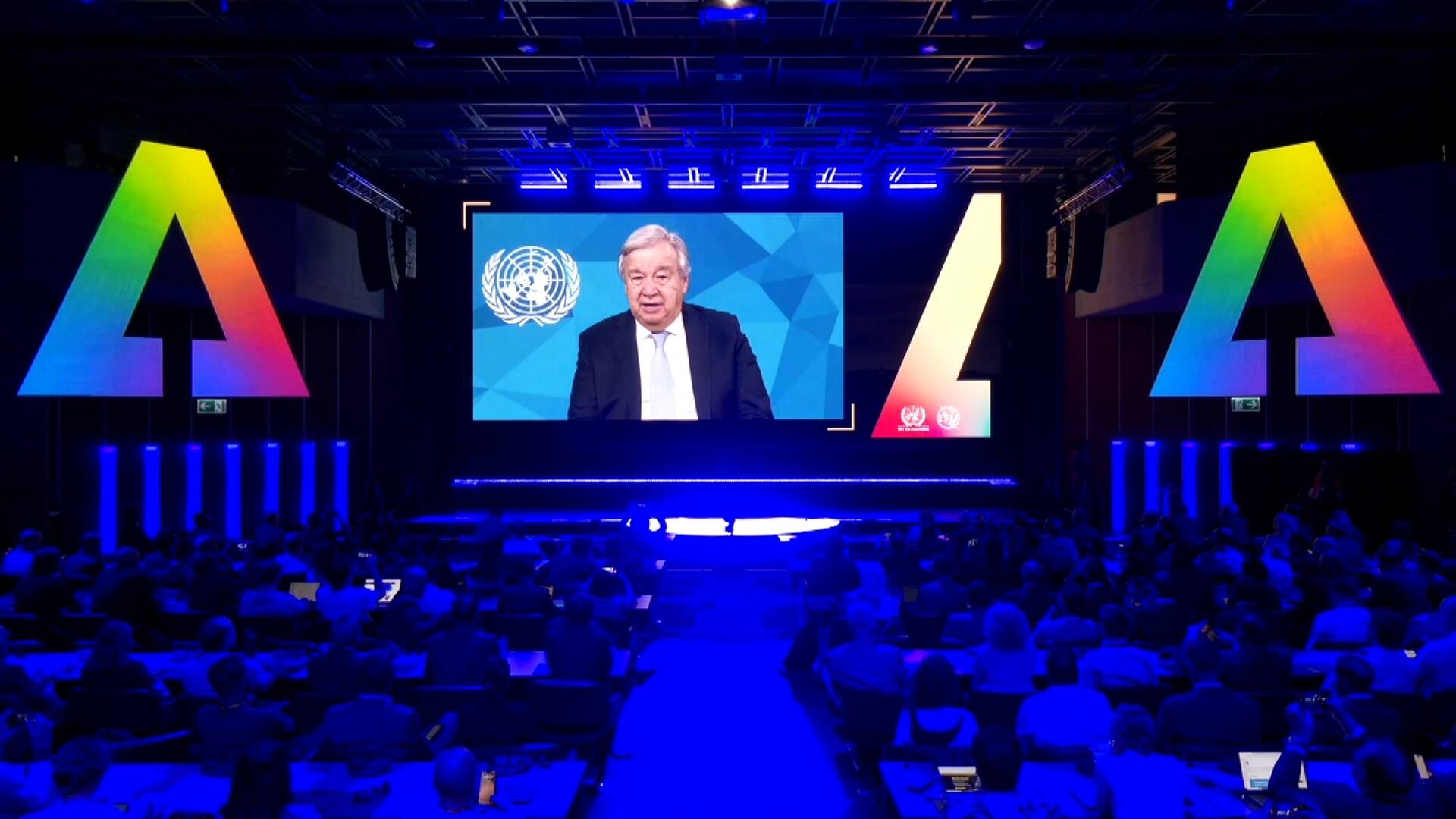
Three overlapping conferences took place in Geneva two weeks ago, all circling the same question: who gets to decide how artificial intelligence is governed. The UN's first Global Dialogue on AI Governance, a new standing forum created by General Assembly resolution, is running alongside the ITU's AI for Good Summit and the WSIS Forum. Dr Courtney Radsch of the Center for Media and Digital Governance at the Open Markets Institute is attending all three and writing them up on her Information & Power newsletter, and several of the threads she pulls out are directly relevant to the work IMA does on platform power and media plurality.
One of the Dialogue's four thematic clusters is about closing AI capacity gaps between wealthier and poorer countries through skills training and computing infrastructure. Radsch's argument is that this framing treats the divide as something to be solved with investment, rather than as a direct consequence of a small number of firms already owning the compute, cloud capacity, and underlying models that "capacity-building" programmes are meant to plug developing countries into. Microsoft president Brad Smith spoke about the same north-south gap on stage, while also arguing that AI governance decisions remain, in his words, choices made by people and governments rather than by machines themselves. Radsch also references a recent comment from Anthropic co-founder Jack Clark, made at a separate New York event, arguing that AI has moved faster than the regulation meant to govern it, despite governments having managed to regulate nuclear weapons and aviation.
ITU Deputy Secretary General Tomas Lamanauskas reportedly told a session at AI for Good that binding global AI frameworks are effectively unworkable, and that what gets built in practice is a patchwork of national policy and corporate rules shaped by whichever stakeholders make it into the room. He reportedly pressed this point directly to Google's representative, asking how such a process avoids simply reflecting the preferences of whichever government is loudest, an implicit reference to the US. His broader point, that agreeing on transparency standards is achievable while agreeing on what counts as harm is not, is a useful shorthand for where most AI governance efforts currently stall.
The most concrete material for IMA members is probably the panel on global content moderation oversight, which included Paolo Carozza, co-chair of Meta's Oversight Board, Google's global head of human rights Alex Walden, and Elonnai Hickok of the Global Network Initiative. Radsch, someone who has assisted the IMA occasionally with advice on markets and monopolies, points out that every institution represented on that stage is funded, at least partly, by the companies whose conduct it exists to review: the ITU takes dues from corporate members alongside states, GNI runs on funding from a corporate constituency that includes board seats for Google, Meta and Microsoft, and the Oversight Board's entire budget comes from Meta, which also selected most of its members and has reportedly signalled it may stop funding the body after 2028. Carozza noted that the Board operates as a kind of appellate body, though it's worth noting Meta has no obligation to act on its recommendations.
The panel also touched on the EU's Digital Services Act, which now requires human rights impact assessments from the largest platforms, and a growing ecosystem of auditors built around reviewing them.
Radsch's observation, echoed by Hickok, is that nobody on the panel could point to a clear improvement in outcomes resulting from any of this process, only more process.
That question - whether mandated audits and oversight boards change anything for the people affected by platform decisions, or just formalise a seat at a table with no real authority - is one the IMA has raised before in a different form through its work on the Online Safety Act's complaints and redress provisions.
We need to demand real real input into how what audiences see gets decided. Regulated, independent media is the lifeblood of the knowledge economy and democratic society and needs to be given prominence.
Radsch is also a steering committee member of the Global Forum for Media Development. She frames independent journalism as a "keystone species" of a healthy information ecosystem, and, by extension, of the AI systems trained on that information. It's a useful way of explaining why this governance debate matters to IMA members, even though none of the institutions in the room this week were built with independent publishers in mind.
Source: Courtney Radsch, "Information