Evidence uncovered by a UK parliamentary committee in 2018 helped lay the groundwork for the record $25 billion penalty handed to Meta in New Mexico last month, according to former MP Damian Collins, who led the inquiry.
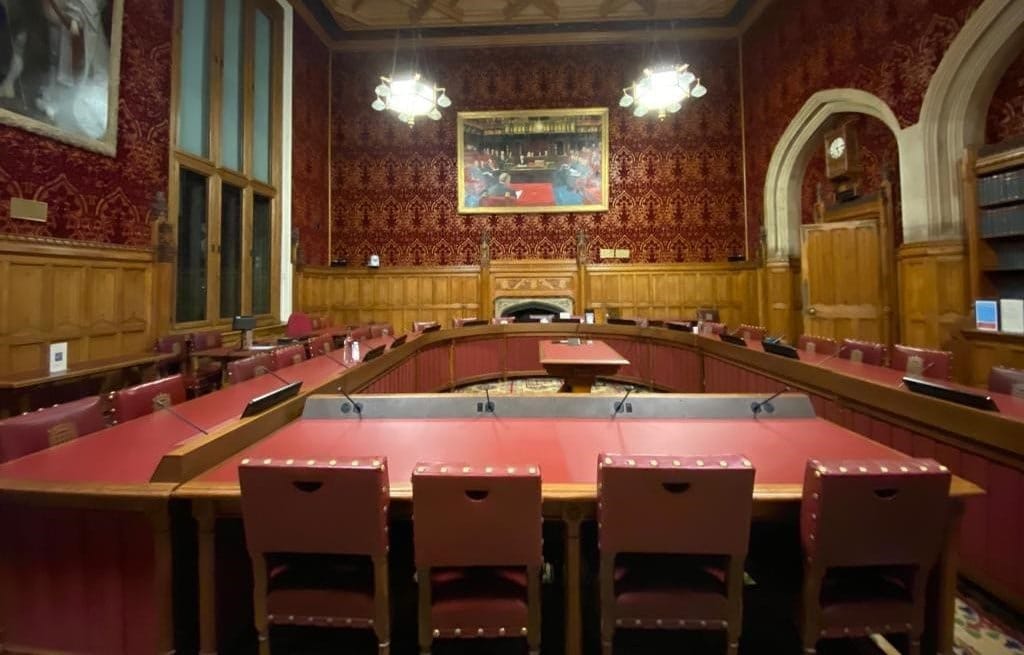
Speaking to Ricky Sutton’s Future Media, Collins described how the Digital, Culture, Media and Sport Committee, which he chaired during its investigation into disinformation, used Parliament’s powers to obtain sealed internal Facebook documents from US app developer Ted Kramer, whose company Six4Three was suing Facebook in California. After Parliament’s Serjeant at Arms served Kramer with an order at his London hotel, he handed over the files on a USB stick, and the committee went on to publish 250 pages of emails between senior Facebook executives.
The emails revealed that Facebook had let favoured companies, including Netflix, Airbnb and Lyft, keep accessing users’ friends’ data after it had publicly said that access was shut off, while cutting off rivals such as Twitter’s Vine. The committee’s final report described the company as behaving like “digital gangsters” and accused it of knowingly breaking data privacy and competition laws.
Much of that evidence has now been tested in court. In October, Judge Francis J Mathew ordered Meta to pay New Mexico $25 billion after a jury found the company liable for 43.9 million violations of state consumer protection law, ruling that Facebook’s public statements over 11 years had formed “a coherent strategy designed to mislead” users about their privacy. The penalty is the largest ever for privacy, around five times the $5 billion fine the US Federal Trade Commission imposed on Facebook in 2019. It accrues 15% interest a year until it is paid, and Meta has said it will appeal.
Collins stated that the documents have since been cited by US state attorneys general and in the UK government’s review of digital markets, which led to the creation of the Digital Markets Unit. The unit can impose rules directly on the largest platforms once they are designated with strategic market status, as it has done with Google, which must now let publishers opt out of its AI search features, but it has so far designated only Google and Apple, not Meta. Designating Meta with this status would give the regulator the same powers over the company at the centre of the New Mexico case.
For IMA members, the case is a reminder of how far platforms’ public promises on data and safety can differ from what their own internal records show, and of the role parliamentary scrutiny and investigative journalism play in bringing that evidence to light.