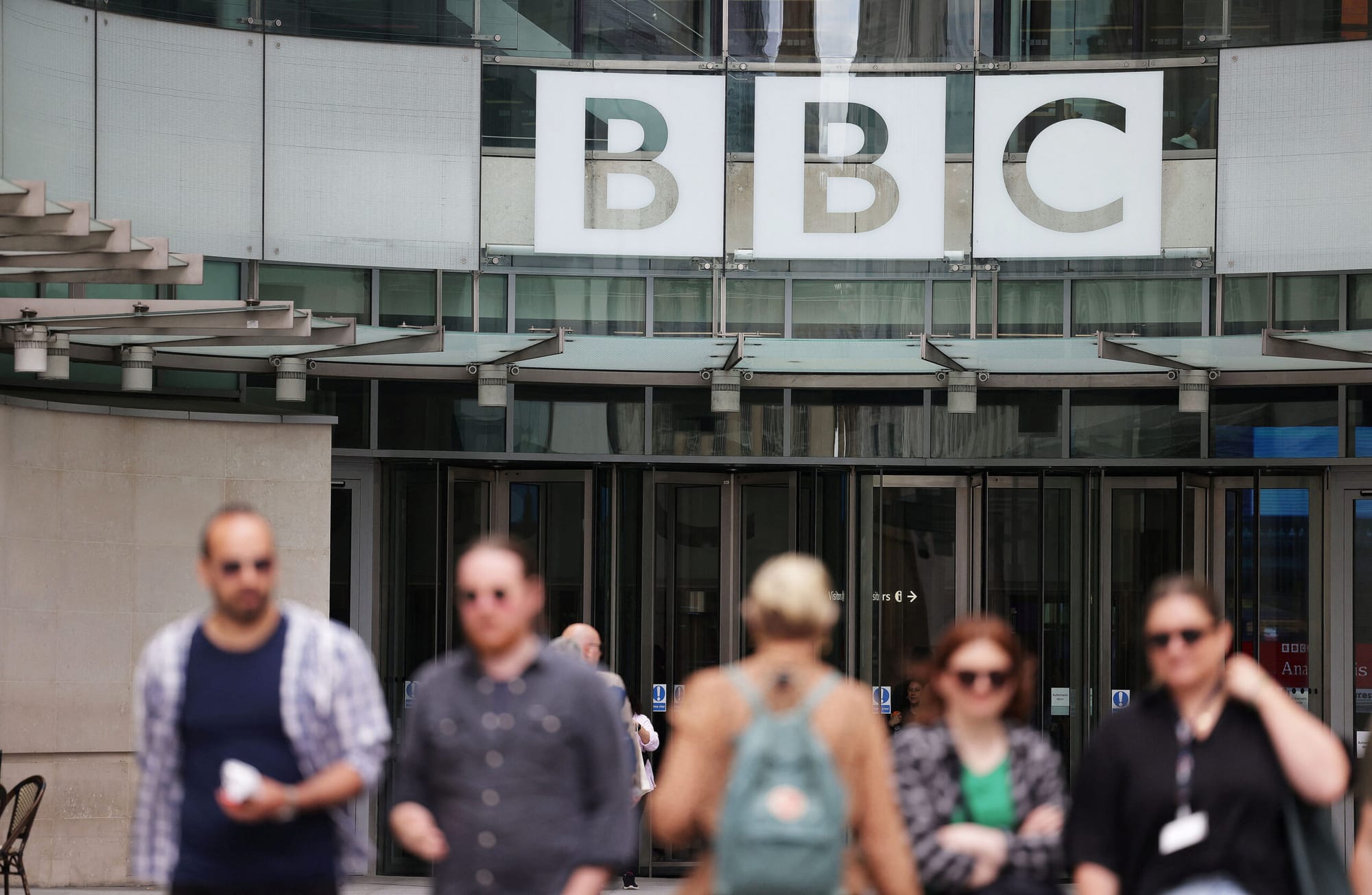
Media Secretary Lisa Nandy has declined to back calls for citizens' assemblies as part of the government's review of the BBC's Royal Charter, instead offering a coalition of civil society groups a meeting with Department for Culture, Media and Sport (DCMS) officials.
The groups had written to the government after the review was launched in December, calling for a greater role for the public in shaping the next Royal Charter. In response, Nandy said the consultation was open to anyone and that all submissions would be considered, but did not commit to introducing citizens' assemblies or changing the process set out in the review's terms of reference.
The Media Reform Coalition has since organised an Alternative Green Paper, a collection of short proposals for BBC reform from across the sector, covering the full range of topics which the official process is unlikely to reach with the depth they deserve.The IMA is contributing a submission focused on local media.
The decline of local journalism in the UK is nothing new. Newsrooms have shut, advertising revenue has fallen and ownership has become increasingly concentrated. Still, what is less often discussed in policy conversations is what this means for the communities affected, especially for local issues of civil society and accountability, such as who is standing in an election, or whether a road closure has an end date.
Crucially, the BBC has followed a similar trajectory, with repeated cuts to its local radio network and a gradual shift towards programming made nationally and shared downstream across regions, even as the collapse of local print has made locally-made coverage more valuable.
The IMA's submission to the DCMS consultation will propose that the next Royal Charter include a new “Public Purpose” requiring the BBC to act as an anchor institution for local media across the UK, partnering with independent local publishers, opening its local resources for community-made public service content, and using its existing infrastructure to support rather than compete with the broader local media ecosystem.
The Charter is the mechanism through which the BBC's Public Purposes are defined, and those Purposes are what give Ofcom the basis on which to hold the corporation to account, which means the wording matters considerably. A vague commitment to partnership in principle tends not to survive Charter negotiations intact, and so the submission will include draft wording and outline structures rather than general aspirations, in the hope that specificity makes it harder to set aside.
The terms of reference of the government's Charter review do include questions about the BBC's role in the "broader media ecosystem," and the Alternative Green Paper is an attempt to make sure that question gets a serious answer.