
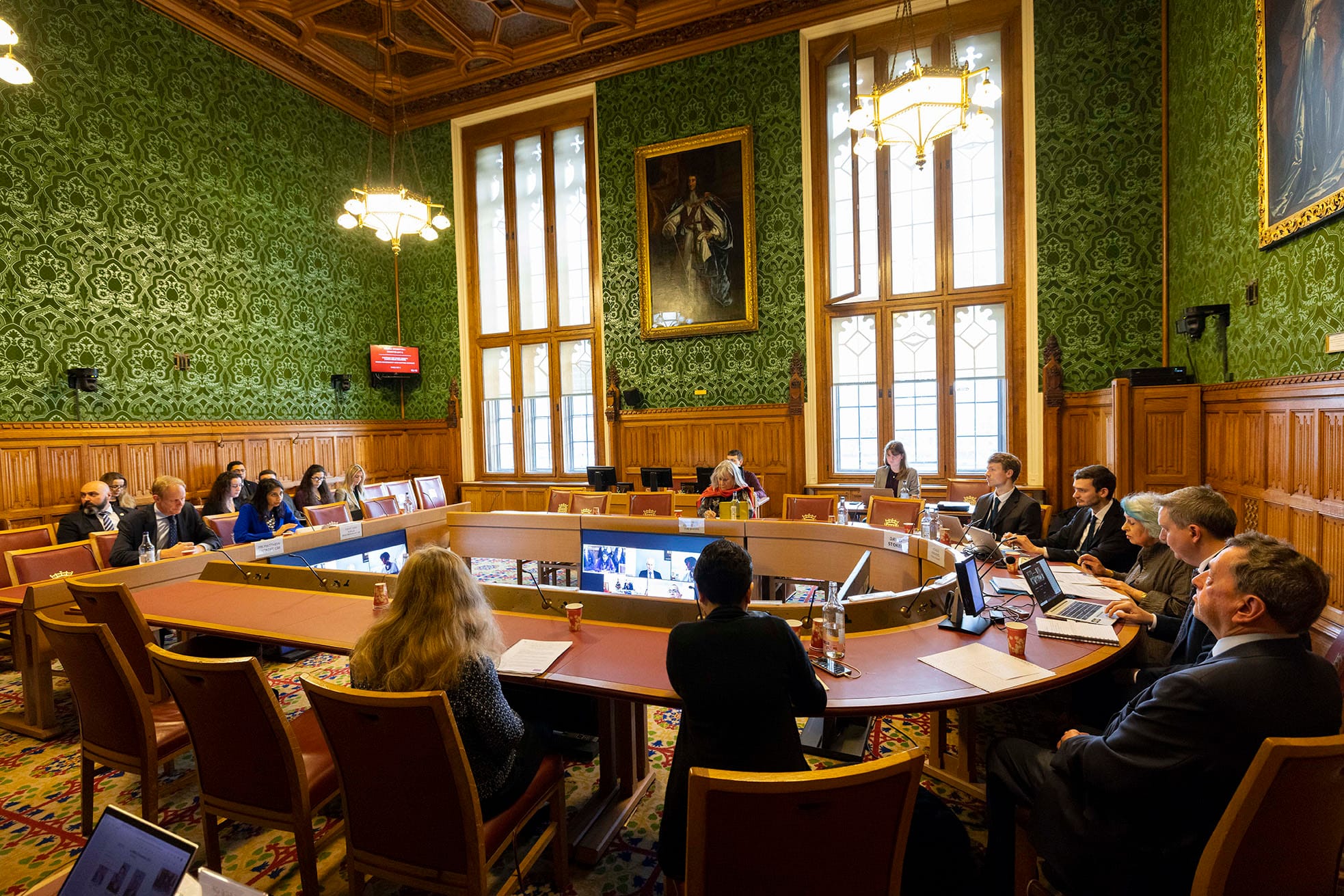
The House of Lords Communications and Digital Committee has published the Independent Media Association's written evidence to its inquiry, The Online Safety Act: implementation and impact. The evidence, reference IOS0131, now forms part of the committee's official record and will inform its scrutiny of how the Act is working in practice.
The IMA's submission is one of the few to put the experience of independent, local and specialist publishers directly in front of the committee. It sets out how the Act's protections for journalism, while welcome in principle, are falling short for the publishers who most need them.
At the centre of the evidence is a call to review the statutory definition of a "recognised news publisher". The IMA argued that the current test, which relies on features such as a UK registered office, a self-written standards code and an internal complaints process, is a poor measure of genuine accountability. It risks excluding small, professionally run publishers while allowing much larger organisations to qualify without meaningful independent oversight. The IMA urged that independent regulation should count in a publisher's favour, that organisational form should not shut out legitimate journalism, and that the test must stay politically neutral.
The IMA also warned the committee that journalism can disappear without ever being deleted. Algorithmic demotion, lost recommendations, demonetisation and unexplained falls in traffic can sharply reduce the reach of public-interest reporting, yet sit largely outside the Act's protections. The IMA called on Ofcom's statutory review under section 158 to examine whether journalism is actually reaching audiences, not simply whether it remains online.
Drawing on members' experience across Meta platforms, TikTok and YouTube, the submission also pressed for complaints routes that work in practice, with reasoned decisions, review by a person rather than an automated system, and escalation to an independent body. It further urged Ofcom to move quickly on the Category 1 duties protecting journalistic content, and called for Ofcom and the Competition and Markets Authority to coordinate where online safety, competition and media plurality meet.
For IMA members, the publication of this evidence means the realities of independent publishing, from vanishing reach to unanswered appeals, are now formally before Parliament as it weighs the future of the Online Safety Act.
Read the IMA's full written evidence on the committee's website